Most attempts to stop the trade in wildlife parts run through seizures, arrests and bonfires of contraband. In western Zambia, conservationists tried the opposite approach — supplying a better version of the thing people wanted — and now have six years of data showing it worked all the way down to the animals themselves.
Every year the Lozi people mark the flooding of the Barotse plains with the Kuomboka, in which about 200 royal paddlers ferry their king, the Litunga, on a ceremonial barge. Their regalia includes lipatelo skirts made from leopard and serval fur, and roughly 1,000 people compete for the honour of paddling. That prestige translated into demand for an estimated 150 to 250 fur garments a year, much of it met by poaching in the Greater Kafue Ecosystem — a trade researchers link to the killing of around 44 adult leopards annually.
In 2017, Senior Chief Inyambo Yeta invited the wild cat organisation Panthera to adapt a South African programme to Zambia. Working with the Barotse Royal Establishment, they developed high-quality synthetic pelts, called Heritage Furs, designed with input from the paddlers who would wear them. In 2019 the Litunga issued a directive that only the synthetics were to be worn at official ceremonies. Some 1,350 were produced and handed out free, stored at the royal palaces between ceremonies and expected to last eight to ten years.
What changed, measured across the whole chain
The evaluation, published in Conservation Biology and led by Panthera with Zambia's Department of National Parks and Wildlife, Wildlife Crime Prevention and the University of Oxford, ran from 2018 to 2024 and drew on community surveys, law enforcement records, court data and camera-trap monitoring. Among surveyed paddlers, 95% backed the switch. By 2024, adoption among fur users had passed 80%, self-reported ownership of real leopard skins had fallen by 78%, and only about a tenth of the royal paddlers still wore genuine fur. Leopard-related seizures dropped by more than three quarters, from 11.25 to 2.88 per 100 wildlife crime cases.
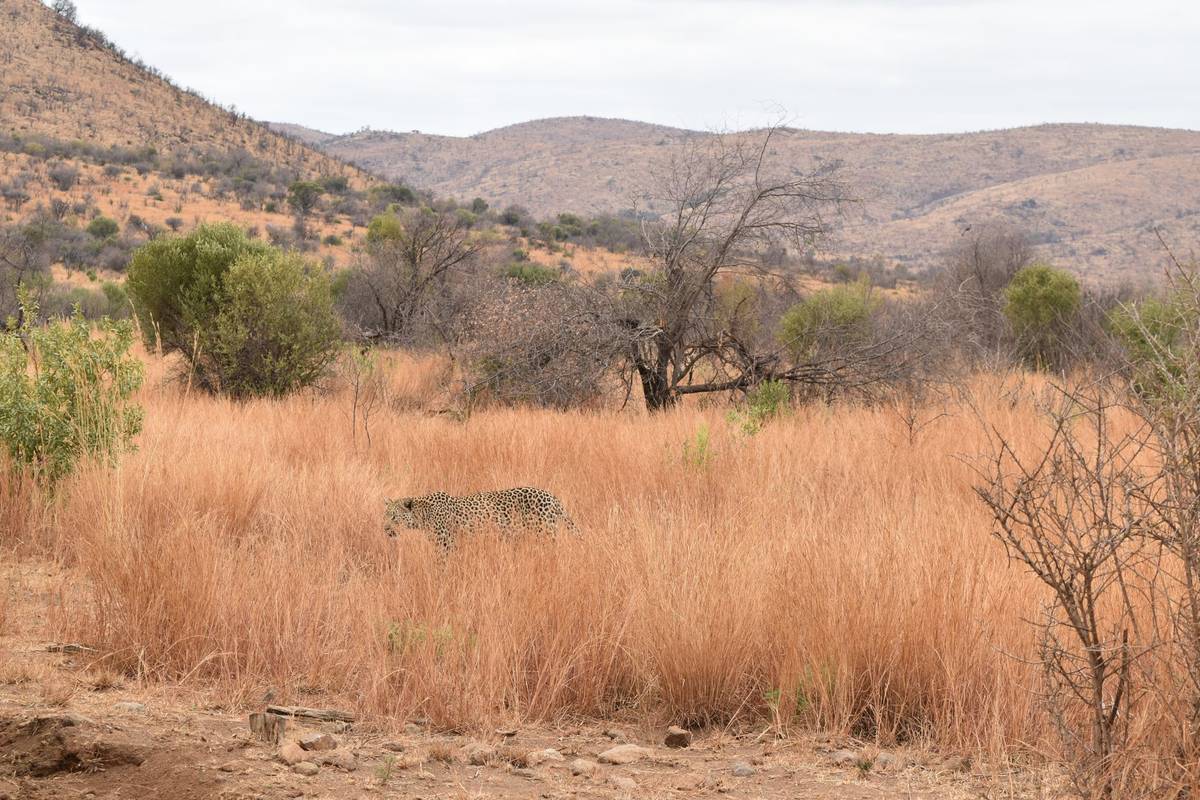
The population followed. Camera-based estimates put leopard density across the ecosystem at 3.8 animals per 100 square kilometres, up from 2.7. The authors calculate the switch could spare between 204 and 1,310 adult leopards over a decade, with a central estimate near 360 at roughly $1,900 per animal saved — inexpensive by conservation standards.
The researchers are careful about credit: stronger anti-trafficking enforcement ran alongside the fur programme, and they treat the two as complementary rather than competing. "Our results provide the first empirical link between a demand-reduction initiative based on synthetic substitutes and measurable population recovery of species," wrote lead author Aditya Shekhar Malgaonkar. With animal parts used ceremonially in an estimated 90% of African countries, the model is now being tried with the Ngoni people in eastern Zambia.