For most of the past century, the default way to warm an American home was to burn something. That habit is now measurably slipping. In the first three months of 2026, manufacturers shipped 32 percent more heat pumps than fossil-fuel furnaces, and the appliance came within a whisker of outselling the air conditioner itself: about 960,000 heat pumps against roughly 980,000 AC units, according to monthly figures from the Air-conditioning, Heating, and Refrigeration Institute compiled in a new report by the non-profit Building Decarbonization Coalition.
The shift is clearest where the decision is made only once — in new construction. Of the housing units completed in 2024, 46 percent were fitted with a heat pump, against 47 percent with a forced-air furnace. Electric heating of all kinds reached 61 percent of that market, its highest share on record, while gas-fired systems fell to 38 percent, the lowest since 1985. In homes finished in 2000, gas still held 65 percent.
Two machines in one
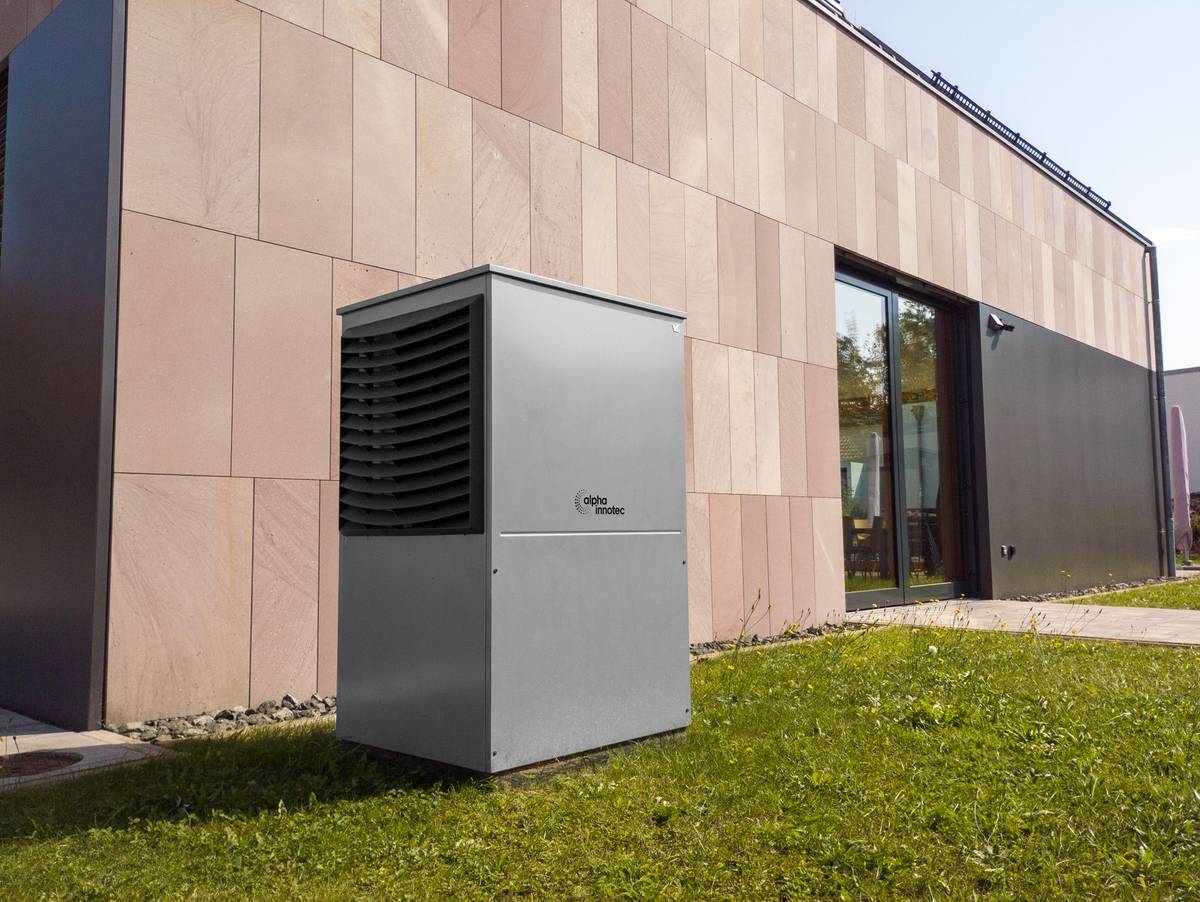
A heat pump does not make warmth, it moves it, extracting heat from outdoor air even in cold climates and carrying it inside. Run in reverse during summer, the same box cools the house. That dual role is a large part of the appeal, and it is why the comparison with air conditioners matters as much as the one with furnaces.
"All the trends are pointing towards increased heat pump adoption, not only versus gas, but also versus just traditional one-way air conditioning," Kevin Carbonnier, the coalition's associate director of analytics, told Grist. "It's not just that heat pumps are better, more comfortable, more efficient than furnaces. But also, you get the two-in-one appliance."
The efficiency gap explains the running costs. Electric resistance heaters — baseboards and the like — deliver one unit of heat per unit of energy consumed. Heat pumps deliver two to four, because they relocate heat rather than generating it. Emissions fall on two counts: no combustion in the home, and an electric appliance that gets cleaner as the grid does. Newer regulations are also pushing manufacturers away from refrigerants thousands of times more warming than carbon dioxide.
Apartment builders have become an engine of the trend. Three quarters of new US apartments are now heated electrically, and once a building is wired for electric heat, developers increasingly see little reason to pay for gas pipework at all.
That matters for household budgets as well as for the climate. Residential gas and electricity bills rose by a median of about 17 percent between 2019 and 2024, and heating is not a discretionary purchase. Shipments of heat pumps have doubled over 15 years, from 1.8 million units in 2010 to 3.64 million in 2025 — a quiet replacement of the country's heating stock, one furnace at a time.