When the asphalt bakes in summer, planted areas act like a natural air conditioner. Just how much they achieve can now be measured: analyses of satellite data show that near-natural green spaces can lower the surface temperatures of their surroundings by several degrees – an effect that counts for more and more in densely built cities.
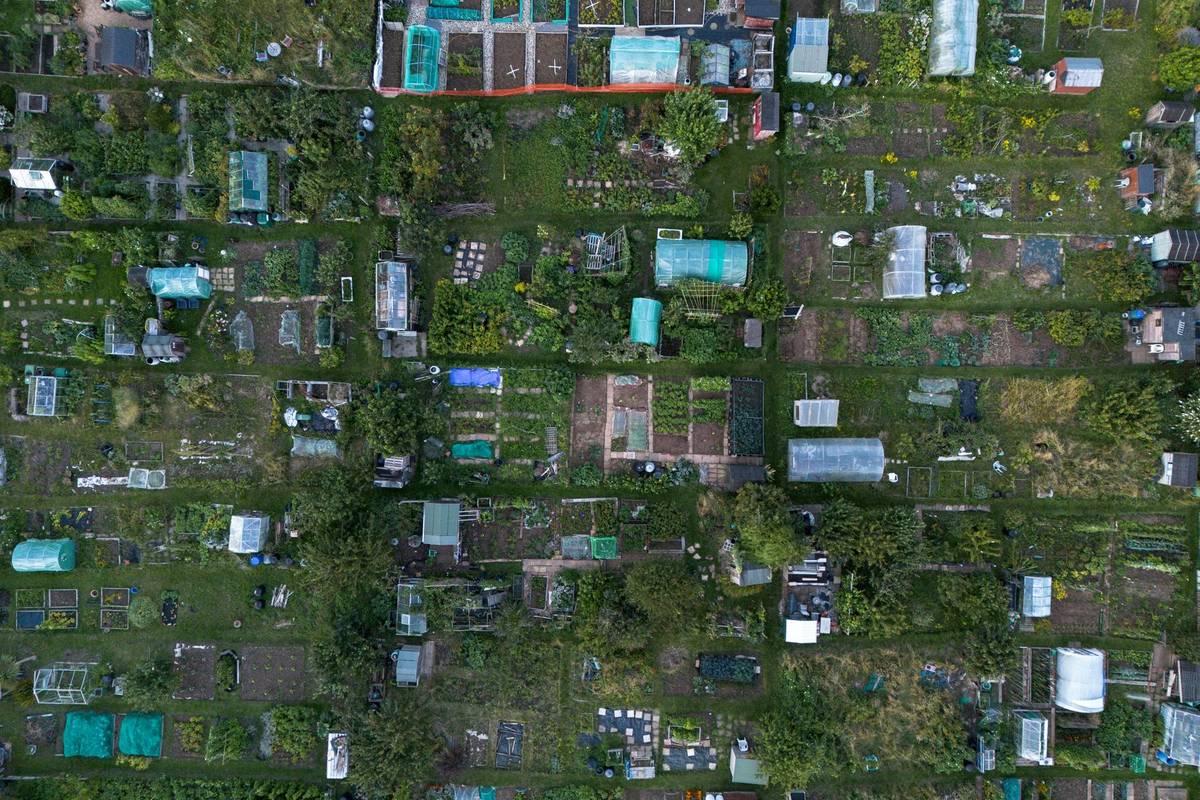
Allotment gardens are drawing particular attention. The cooling effect of large parks, cemeteries and above all forests is more pronounced still, yet even the comparatively small plots offer measurable protection against urban heat islands, as Berlin's Econics Institute found. "With larger colonies, it's already a few degrees of difference in surface temperatures," says ecologist Pierre Ibisch of the Eberswalde University for Sustainable Development.
What matters is not only size but how a plot is managed. Large trees, little sealed ground and near-natural gardening amplify the effect. The Aronia allotment association in Dresden, for instance, deliberately avoids artificial fertiliser, pesticides and peat and relies on mulching: a layer of plant cuttings keeps the soil moist, saves water and protects soil life. "We garden with nature, not against it," says board member Sven-Karsten Kaiser.
To capture the cooling capacity of landscapes systematically, the conservation group Nabu and the Econics Institute have developed a "green-moist-cool index". The map, based on weather and satellite data, shows across Germany how well nature still tempers heat, retains water and cushions the consequences of extreme weather. The finding is sobering: intensively farmed regions, heavily sealed cities and engineered watercourses in particular show deficits, and the trend is downward.
That is precisely why small-scale green spaces are coming into the focus of urban planning. Allotments store carbon, hold back rainwater and cool their neighbourhoods – and, with simple measures such as mulching, shading and more variety, they can be adapted to increasingly hot summers. What long counted as a private leisure idyll could thus become a building block of a climate-resilient city.