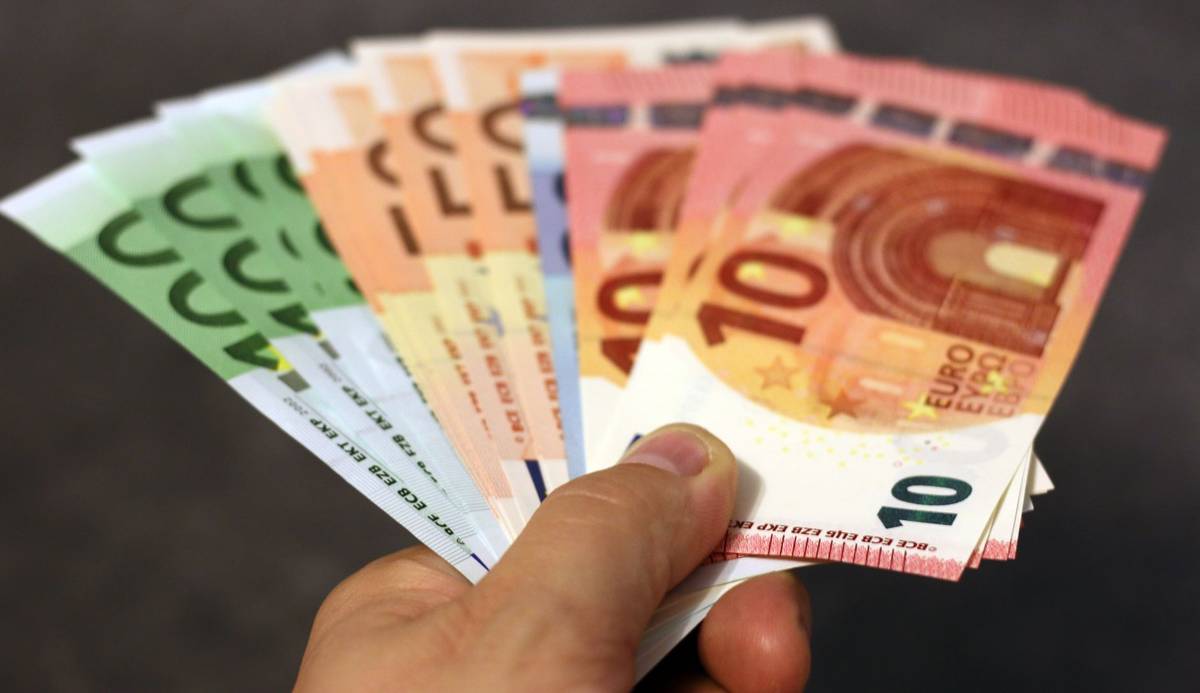
For the first time since euro notes went into wallets in 2002, the currency is being redrawn from scratch – and the people who use it are being asked what it should look like. The European Central Bank has shortlisted ten design proposals and opened an online survey, running until 21 September, in which anyone in Europe can say which they prefer.
The ten proposals split evenly between two themes, "European culture" and "Rivers and birds". Neither was picked in a boardroom: both emerged from a public consultation in 2023 in which more than 365,000 people gave their views. A design contest across the EU then drew over 1,200 applications from graphic designers, 25 of whom were invited to work up proposals, and a jury of 21 experts – nominated by euro area central banks and drawn from fields including graphic design, communication, neuroscience and history – narrowed the field to ten.
The cultural set puts six figures on the notes: the soprano Maria Callas on the €5, Ludwig van Beethoven on the €10, Marie Curie on the €20, Miguel de Cervantes on the €50, Leonardo da Vinci on the €100 and, on the €200, the Austrian writer Bertha von Suttner, whose 1889 novel "Lay Down Your Arms" helped inspire the Nobel Peace Prize she later won. The reverse sides show contemporary cultural spaces where people of different ages and backgrounds meet.
The nature-themed alternative is quieter and wilder: a wallcreeper in the mountains on the €5, a kingfisher beside a waterfall on the €10, a flock of bee-eaters on the €20, a white stork over an unconfined river valley on the €50, an avocet crossing a mudflat on the €100 and a northern gannet above ocean waves on the €200.
What happens after September
The public survey runs alongside a parallel poll of a representative sample of euro area citizens, conducted by an independent research company. The ECB's Governing Council is expected to choose around the end of the year, weighing both surveys together with the jury's conclusions and a technical assessment. Production and testing follow, and the new notes will enter circulation over subsequent years next to the current series, which keeps its value.
Beyond aesthetics, the redesign is meant to add security features that are easier to check, improve accessibility for visually impaired users and cut the notes' environmental footprint through more durable, more sustainable materials. "Euro banknotes are more than a means of payment," ECB President Christine Lagarde said at the unveiling.