The Bayeux Tapestry stops in mid-story. Its last surviving scene shows the death of Harold II and his troops fleeing after the Battle of Hastings in 1066. Most historians assume that another eight to ten feet once followed, probably showing the coronation of William the Conqueror on Christmas Day 1066. That missing panel has now become a school assignment.
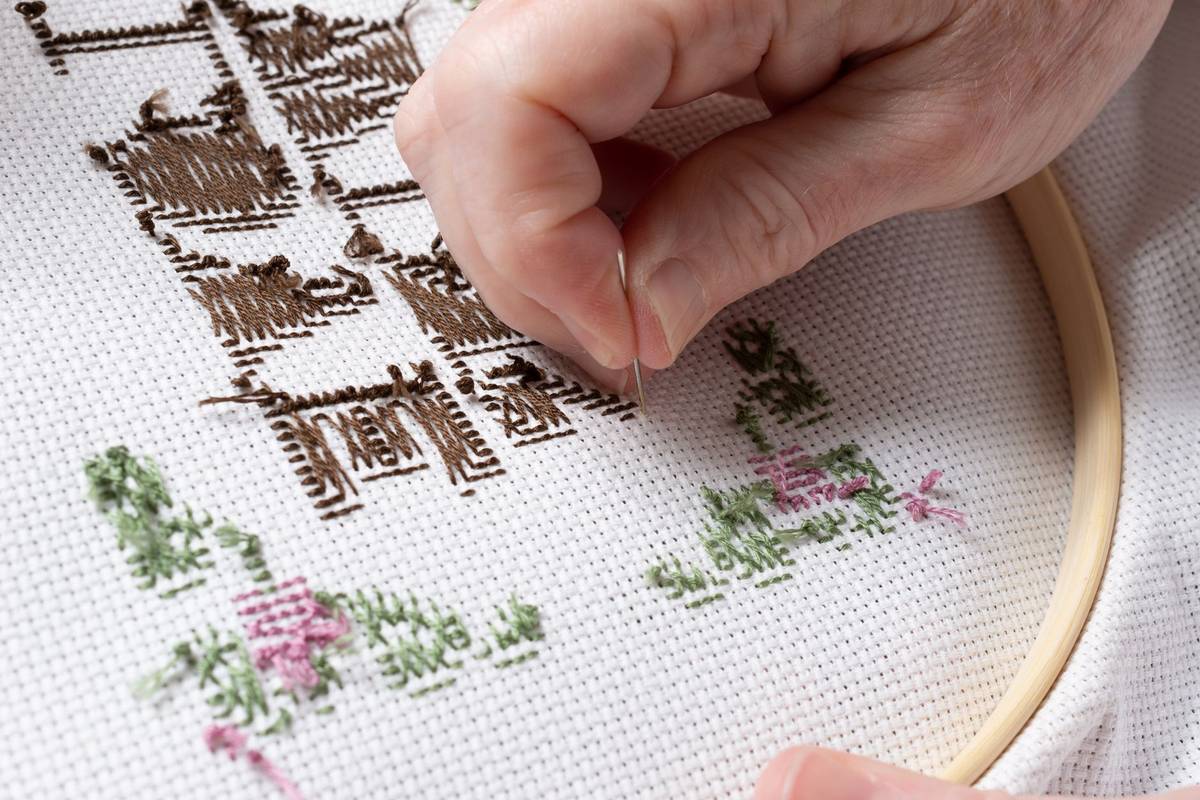
English Heritage and the Franco-British foundation Art Explora have launched a free competition called "Beyond the Battle". It asks primary school classes across the United Kingdom, children aged seven to eleven, to design and stitch their own final scene. The brief points away from conquest. Pupils are to picture a better tomorrow and the people, actions and values that could bring it about, the organisers say in a statement. Entries open in late September 2026.
Participating classes receive teaching material made by the embroidery artist Jessica Grady, The Art Newspaper reports. Winning classes travel to London to see the tapestry and to the site of the Battle of Hastings. Runners-up are given a funded visit to their nearest Norman English Heritage site. The winning panels will go on show in a separate exhibition.
A loan almost a thousand years in the making
The competition marks the tapestry's first return to England since it was made. Despite its name, the work is not woven but embroidered in coloured wool on linen. It is nearly 230 feet long and tells its story in 58 scenes. The British Museum shows it in the Sainsbury Exhibitions Gallery from 10 September 2026 until 11 July 2027, while its museum in Normandy is renovated. In London it will hang horizontally for the first time. The museum says it will release thousands of free tickets for British schools.
"The Bayeux Tapestry is an iconic symbol of our shared European cultural histories," says Frédéric Jousset, the founder of Art Explora.
Filling the gap is not a new idea. Embroiderers on the Channel Island of Alderney spent a year stitching a coronation scene, using the techniques and design rules of the original. Their ten-foot panel went on display next to the tapestry in Bayeux in 2014, Smithsonian magazine reports. The children's version will be judged by a different standard. What matters is not historical accuracy but what they think should come after a battle.