Australia has installed more than 507,000 subsidised household batteries since July 2025. Prime Minister Anthony Albanese and Energy Minister Chris Bowen announced the figure in Sydney on 14 August 2026.
The Cheaper Home Batteries Program cuts the price of small battery systems connected to rooftop solar by 30 percent. It is budgeted at 7.2 billion Australian dollars over four years, according to the news agency AAP. The country now has more home batteries than the United States, which has twelve times the population, Bowen said.
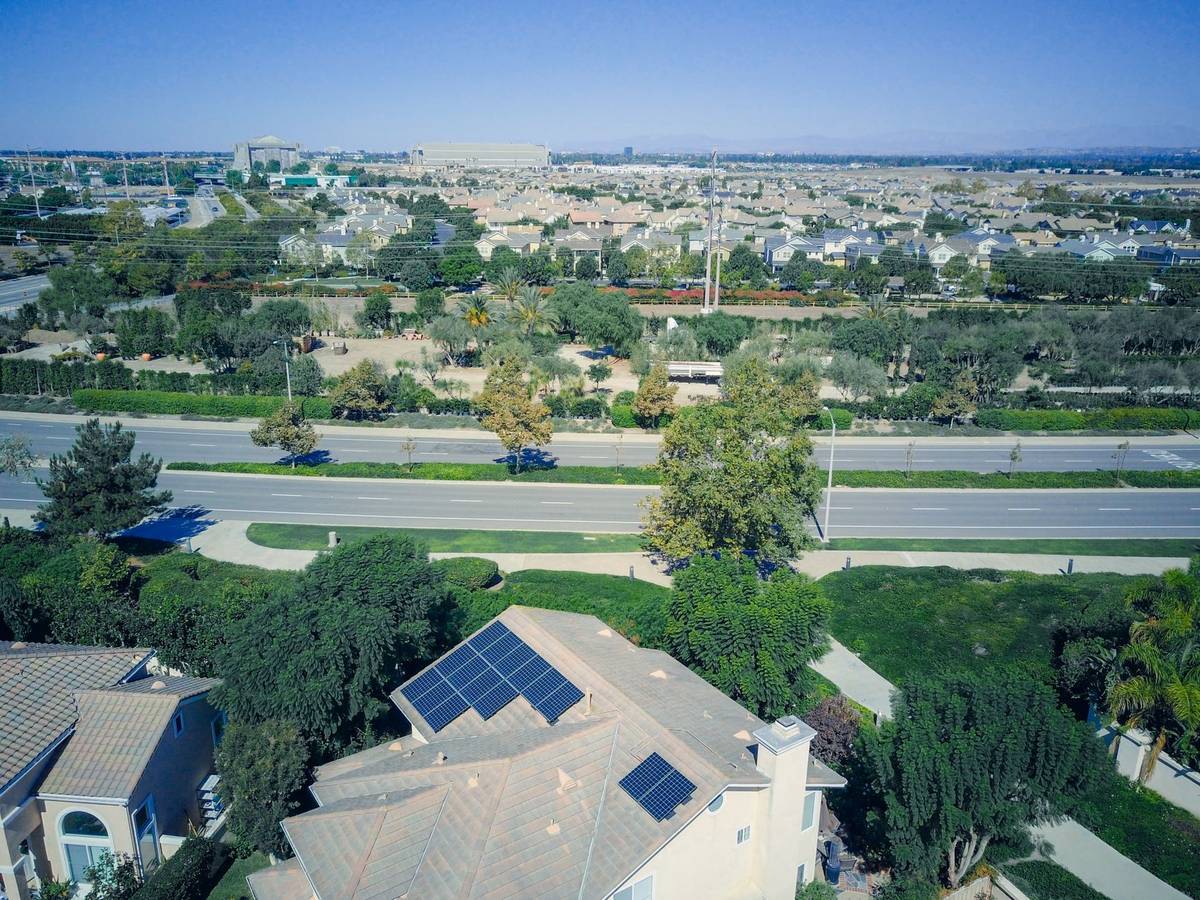
The scheme answers a problem Australia created for itself. More than one in three households has solar panels on the roof, the highest rate in the world. At midday that output floods the grid. Prices collapse, conventional plants are pushed offline and much of the power is simply wasted, Yale Environment 360 reports.
Batteries shift that surplus into the evening. When households draw on stored solar at the demand peak, utilities need to fire up fewer additional plants. Bowen called the programme "the major factor in the wholesale price of energy falling in Australia by 47 percent in the last 12 months".
Take-up outside the cities
More than three quarters of the batteries went to outer suburban and regional communities, the prime minister's office said. Bowen pointed to electorates such as Hume, Greenway and Macquarie in New South Wales and Mayo in South Australia. In some of them, more than 10 percent of houses now have a battery. The number of accredited installers has doubled to 8,846.
Independent analysts agree on the scale. "The amount of capacity installed collectively is dramatic, it is world-leading, it is in the top three," Tim Buckley, director of Climate Energy Finance, told AAP. He expects the effect on prices to continue into next year.
They also point to who is left out. The subsidy only reaches people who own a roof and can pay the remaining cost. "The vast majority of younger Australians either rent or live in apartments and they're the most vulnerable to cost-of-living pressures," Buckley said. He wants future support widened to reach them.
The government has tried other ways to use the midday surplus. Households in Queensland, New South Wales and South Australia are offered free power in the early afternoon, whether or not they have panels. The idea is to move washing machines and car charging into that window.
What the milestone does not settle is durability. The subsidy runs for four years, and no one has yet shown what happens to wholesale prices once it ends.