How the world's highest-dwelling mammal survives above 6,700 metres
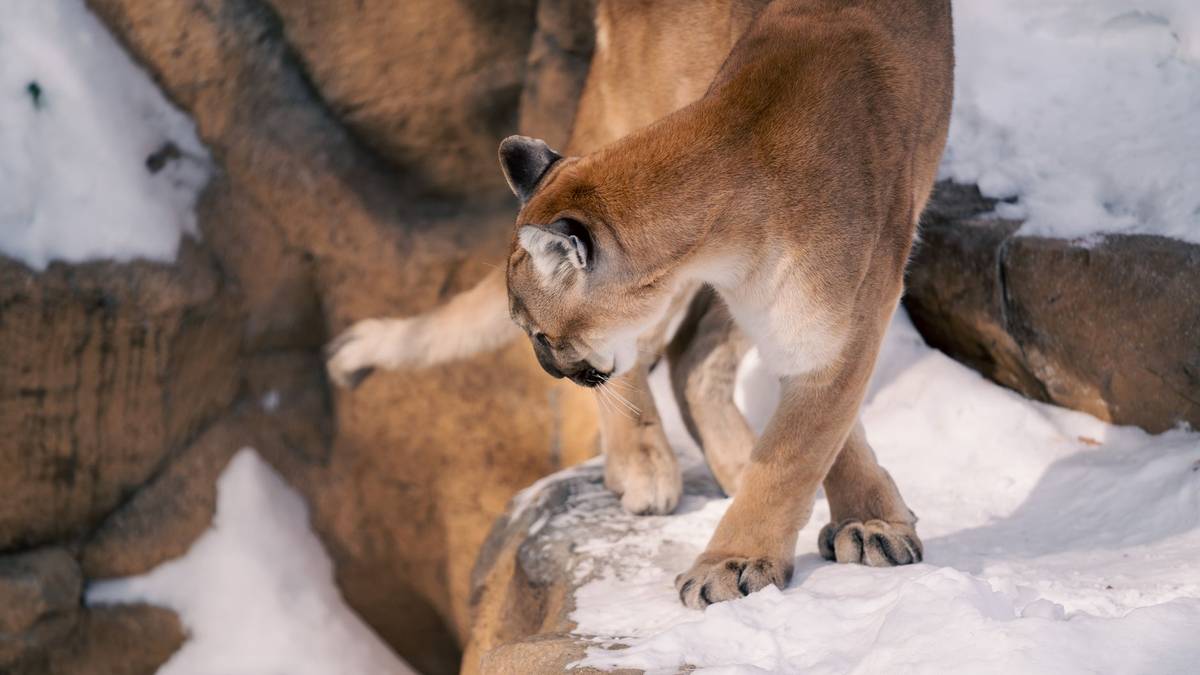
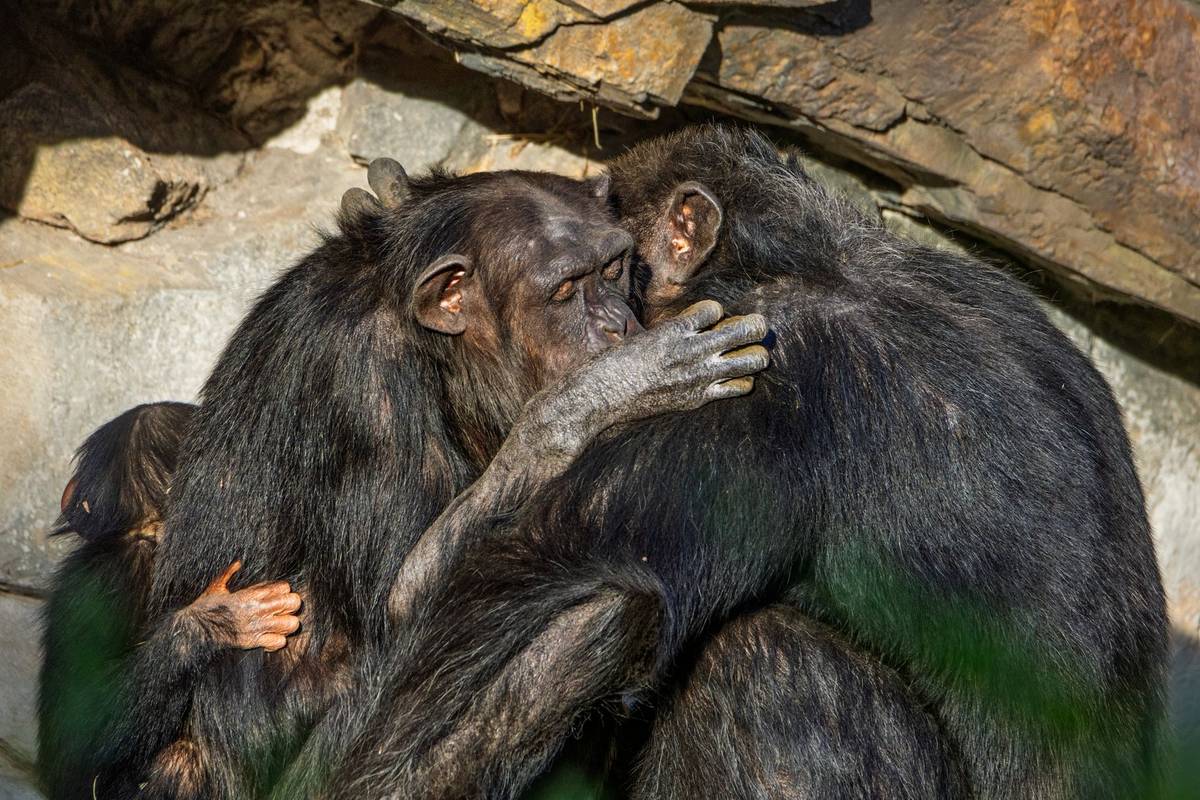
Andean leaf-eared mice endure minus 60 degrees and half the oxygen of sea level by turning their whole metabolism into a furnace, a study in Science finds.
By pairing three decades of fieldwork with iNaturalist photos, researchers doubled the known cases of parental care in harvestmen – and traced how fatherhood arose again and again.
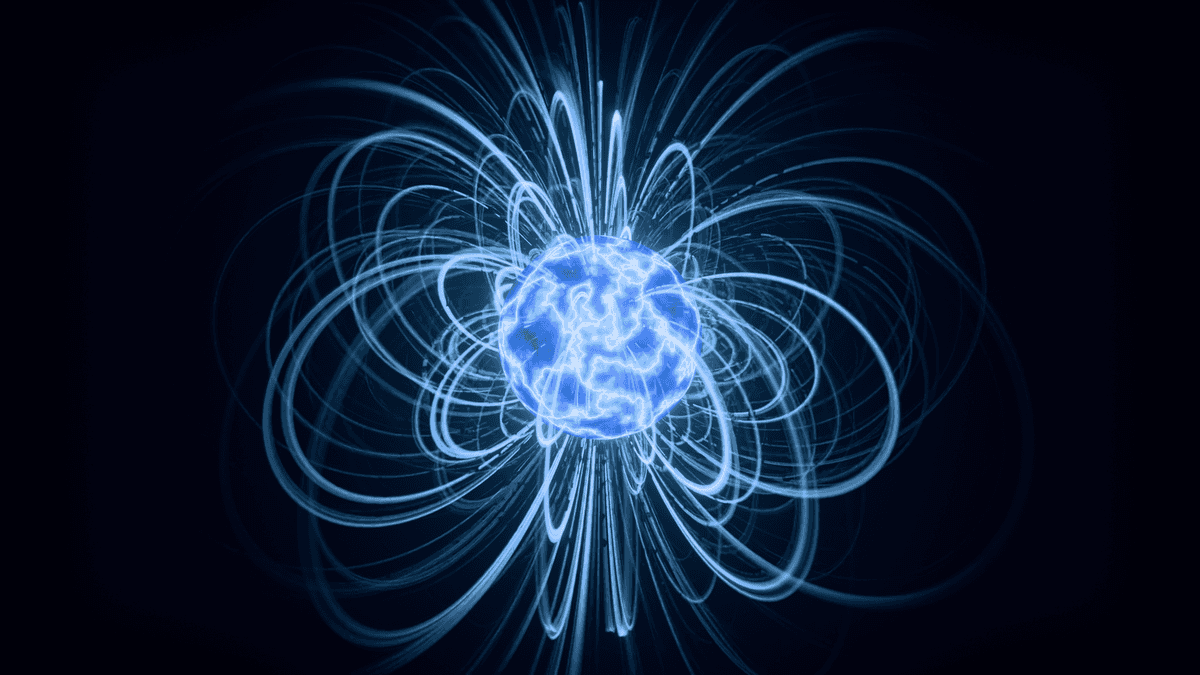
IXPE's X-ray vision confirmed how high-energy particles escape one of the cosmos's most extreme objects – and found its magnetism calmer than expected.
When biomedical papers posted online before peer review reach a journal, their central conclusions rarely change — and they are retracted less often, a large new analysis reports.
Physicists at Tulane University find that gold's surface atoms rearrange into a shape that all but blocks oxygen — explaining a shine that lasts for centuries.
Named Meterchen luti, an extinct goose from a Miocene lake bed turns out not to be the ancestor of New Zealand's giant geese, pointing to a more turbulent bird history.
Uragasaurus kalasinensis, a 20-metre plant-eater from 150 million years ago, extends the range of China's famed long-necked dinosaurs into Southeast Asia.
Zooniverse says more than three million people have now made one billion classifications, helping scientists spot planets, comets and wildlife.
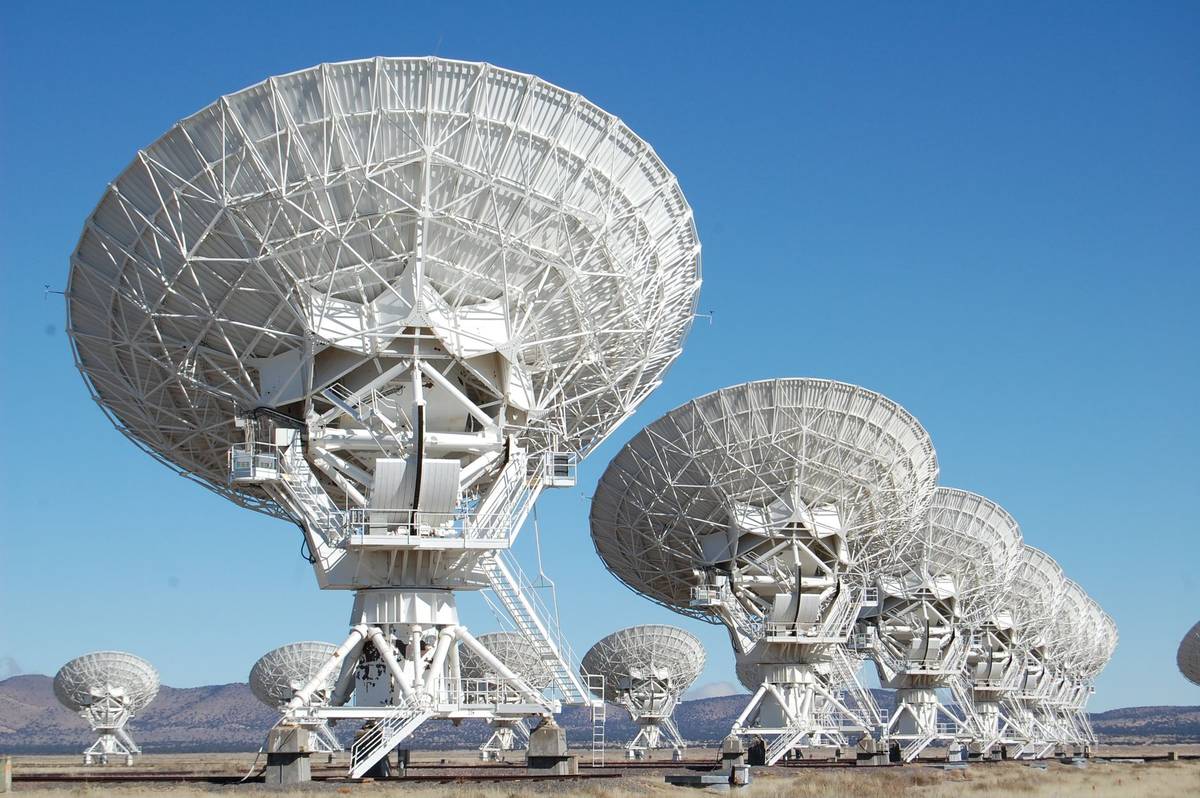
A space-based survey has more than doubled the known count of these ancient cosmic beacons, including two that shone when the cosmos was barely 5% of its present age.
Australian astronomers report a brief microlensing event whose best explanation is a primordial black hole about three times the mass of the Moon — and a promising new way to probe dark matter.
The sample-return probe has reached the tiny companion asteroid Kamo'oalewa and sent home an image that is already sharpening the debate over where the rock came from.
A semiconductor once built to eavesdrop on neurons now synthesizes 64 DNA strands in parallel using only electric currents and water, pointing toward greener, more accessible genetic manufacturing.
A team at Heidelberg University has built a single framework that reconciles the mobile Fermi polaron with the heavy, near-immobile impurity, closing a decades-old gap in quantum many-body theory.

Two chance encounters in the Central Pacific — one on archived expedition video, one on a baited deep-sea camera — show the rare "living fossil" thriving in the wild and greatly expand where it is known to live.
Researchers at the University of Osaka trained a neural network to compare 16 rival measures of water's molecular structure and reveal which best capture its strange behavior.
A newly identified bacterial “docking” system shows how microbes make variants of romidepsin-like drugs, offering chemists a template for designing new ones.
An array of instruments on the Southeast Indian Ridge recorded a rare seafloor-spreading event in unprecedented detail, revealing that much of the plate motion happens silently.
A study of 132 Stone Age genomes shows one population vanished and another arrived, offering a data-driven answer to a long-standing archaeological puzzle.
A German-led team's open-source neural network, RHINE, reproduces the heat of exploding stars' nuclear reactions in a fraction of the usual computing time.