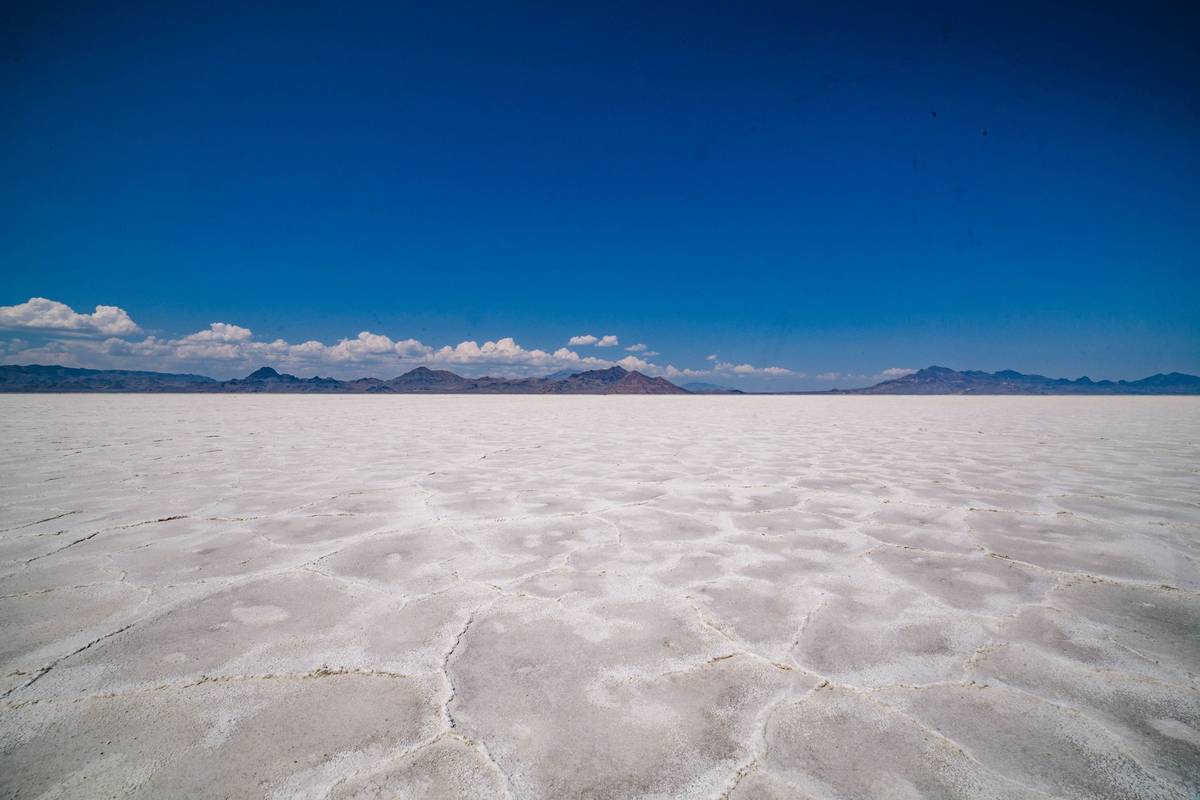
Andy Green drove a hydrogen-powered car to 406.320mph (653.908km/h) at the Bonneville Salt Flats in Utah on 11 August. The Fédération Internationale de l'Automobile recognised the run as a world record for the category, the Guardian reports.
The mark more than doubles the previous official record for a hydrogen combustion vehicle, which had stood at 185.5mph since 2004. Green's speed is the average of two runs, according to the BBC.
Green is 64 and a retired Royal Air Force pilot. He remains the only person to have broken the sound barrier on land: in 1997 he drove the jet-powered ThrustSSC to 763mph in Nevada's Black Rock Desert. In 2006 he set the diesel record at 350.092mph.
The car is called Hydromax and was engineered by the British construction equipment maker JCB. It measures 9.75 metres and carries two hydrogen internal combustion engines with a combined 1,600 horsepower.
Engines borrowed from diggers
Those engines are not exotic. They are adapted from the units JCB builds for heavy machinery. They mix pressurised hydrogen gas with air and ignite it, the Guardian reports.
In May the car reached 208mph during testing at RAF Wittering in Cambridgeshire.
"Setting a world land speed record with hydrogen power, 20 years after Dieselmax, is a huge privilege," Green said. He has called hydrogen the fuel of the future.
JCB's chairman, Lord Anthony Bamford, framed the run as a repeat of 2006. "Twenty years ago we came to Bonneville with JCB Dieselmax and showed what British engineering could do with diesel power," he said. "Today we have done it again - this time with engines powered by hydrogen."
Bamford has argued that hydrogen handles the demands of heavy industry better than electric power.
That claim carries a caveat. Hydrogen is only as clean as the energy used to make it, and most of the world's supply currently comes from fossil fuels. JCB has signed a deal to buy green hydrogen, which is made with renewable electricity and makes up a tiny share of global production.