Britain argued about tourist taxes for years without having one. Since 24 July it does. Edinburgh charges visitors 5 percent on the cost of paid overnight accommodation, capped at the first five consecutive nights and levied at the same rate all year round. It was agreed in January 2025 and has applied to advance bookings since October. It is the first city-wide visitor levy run by a UK local authority, and it began a fortnight before two of the city's largest festivals.
The scheme is projected to raise as much as 50 million pounds a year, to be reinvested in facilities used by or for visitors. Councillors signed off the first full investment programme in February under three headings: city operations and infrastructure, culture and events, and destination and visitor management. Early commitments include 132,000 pounds towards the city's Festival Carnival and Mardi Gras and 2.75 million pounds for a Market Street arts hub. Longer-term plans would return the Royal High School and Leith Theatre to use. "The city's popularity comes at a cost through the pressure it puts on our services and on the people who live and work here all year round," said council leader Jane Meagher.
What a decade of levy money looks like
The Balearic Islands offer a longer view. Their Sustainable Tourism Tax has been running since July 2016, charged according to accommodation type and season. By July 2025 it had financed close to 300 projects worth almost 850 million euros. These cover public space, water infrastructure, heritage and cultural work. "The main aim of the tourism tax is to compensate for the impact generated by tourist activity," says Miguel Rosselló Jiménez, tourism co-ordinator at the islands' ministry of tourism, culture and sport.
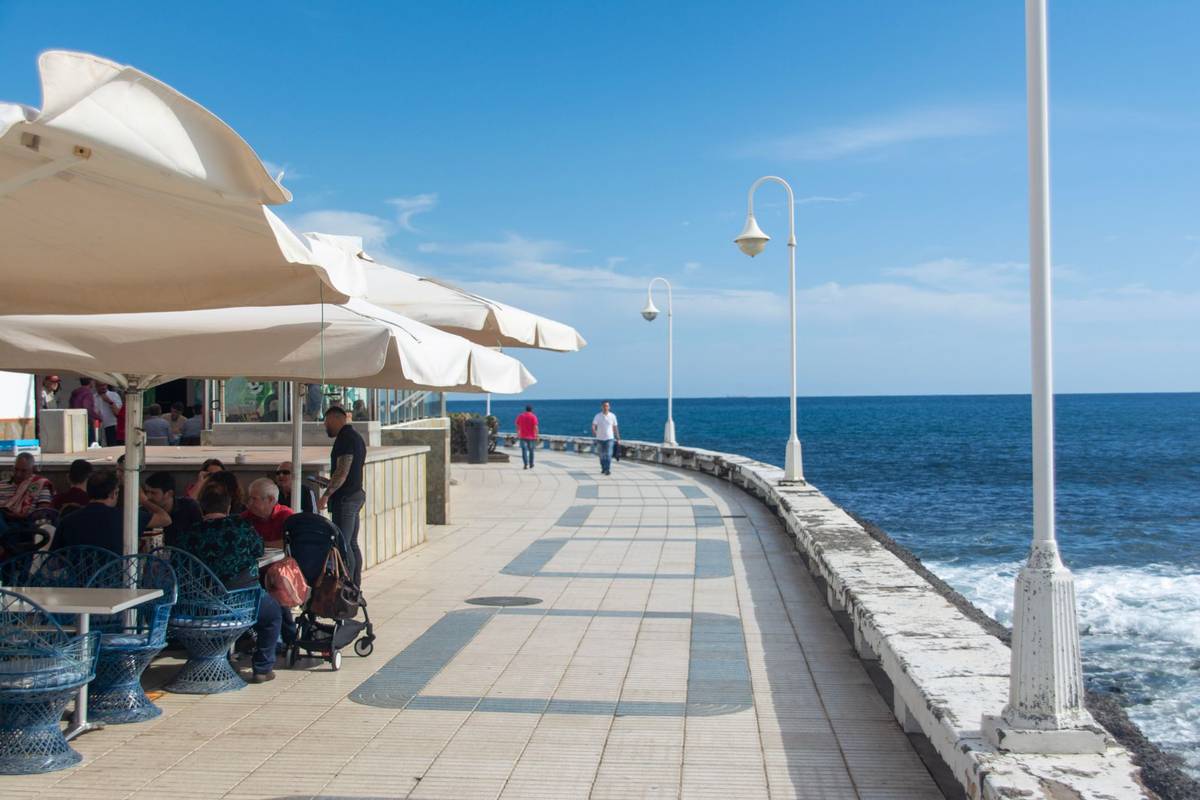
The clearest example sits in Calvià, the Mallorcan district that contains Magaluf. Levy money paid for the resort's beachfront promenade. Its second phase, costing 3 million euros, was completed in May 2026 and funded entirely by the tax. It brought level paving, planting, seating and room for buggies and wheelchairs. Native plants and reclaimed water reduce pressure on local supply, and the beach showers run on seawater.
Money alone did not do the work. Calvià also restricted pub crawls, street drinking and alcohol promotions. In designated "excess tourism" areas, shops may not sell alcohol between 9.30pm and 8am. Noise rules were tightened and police inspections increased. Jaime Mora Bosch, the district's director of tourism, argues the resort's old reputation is now years out of date.
That is the useful lesson for Edinburgh and the cities watching it. A levy is not, by itself, a policy. Its value depends on what the revenue is spent on, and on whether the rules around it change too. On the Mallorcan evidence, a decade of consistent reinvestment is long enough to make a visible difference to a place under strain.