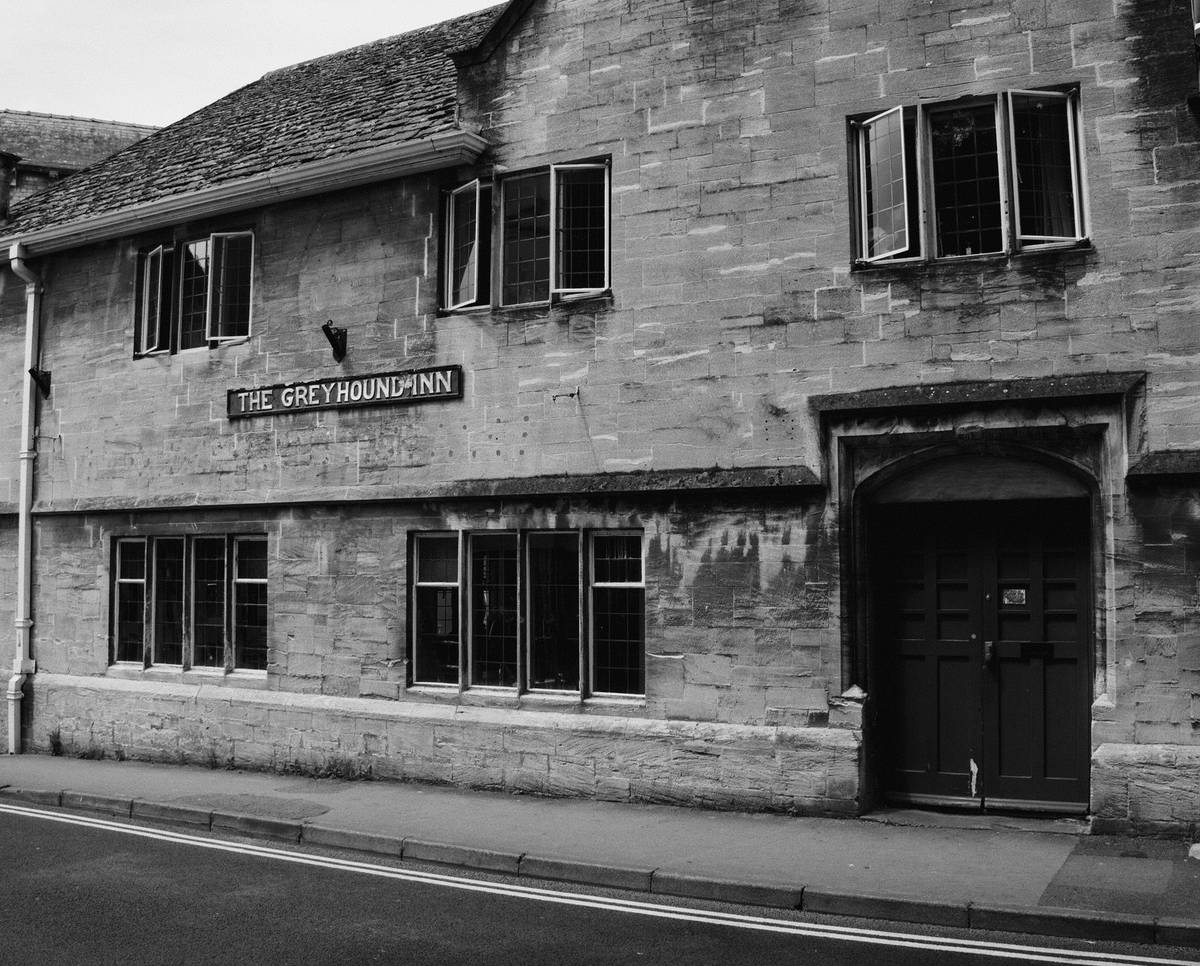
Developers in England will have to prove that a pub has no realistic future before they may turn it into flats or offices. The rule takes effect on 17 August with a revised National Planning Policy Framework.
The protection now covers every pub facing conversion. An earlier consultation would have shielded only the last pub in an area, which campaigners warned could cost thousands of premises. The change matters because closures are running fast. The Campaign for Real Ale counts 794 pubs closed in England so far in 2026, of which 82 have been demolished or converted and are therefore gone for good.
The evidence a developer must supply includes proof that the pub was marketed for sale for at least twelve months. Councils will also have to weigh what a community loses when its meeting place disappears. According to the BBC, the rules are intended to stop owners running a pub into the ground in order to justify closing it.
The framework sets out planning policy for England and binds local authorities. Scotland, Wales and Northern Ireland have their own systems. The same revised document is meant to speed up housebuilding towards a target of 1.5 million homes in this parliament.
"Pubs are part of who we are as a nation," said the housing secretary, Angela Rayner. "They're where we celebrate, grieve, argue and belong, the beating heart of so many of our communities, and it's an outrage that weak protections have allowed too many of them to slip away without a fight." Building the homes the country needs, she added, should never cost the pubs people love.
Costs, not conversions
Trade bodies welcomed the move but doubt it addresses the main problem. "The biggest issue facing hospitality businesses is costs like VAT and business rates pushing pubs out of business in the first place," said Allen Simpson, chief executive of UKHospitality. He called any barrier to removing such assets from communities worth having.
Operators blame the rise in employer national insurance, the higher minimum wage and food price inflation for closures. Planning rules reach none of those. What the framework changes is the exit route: a pub that fails can no longer be converted quickly and quietly, and the judgment now sits with councils.