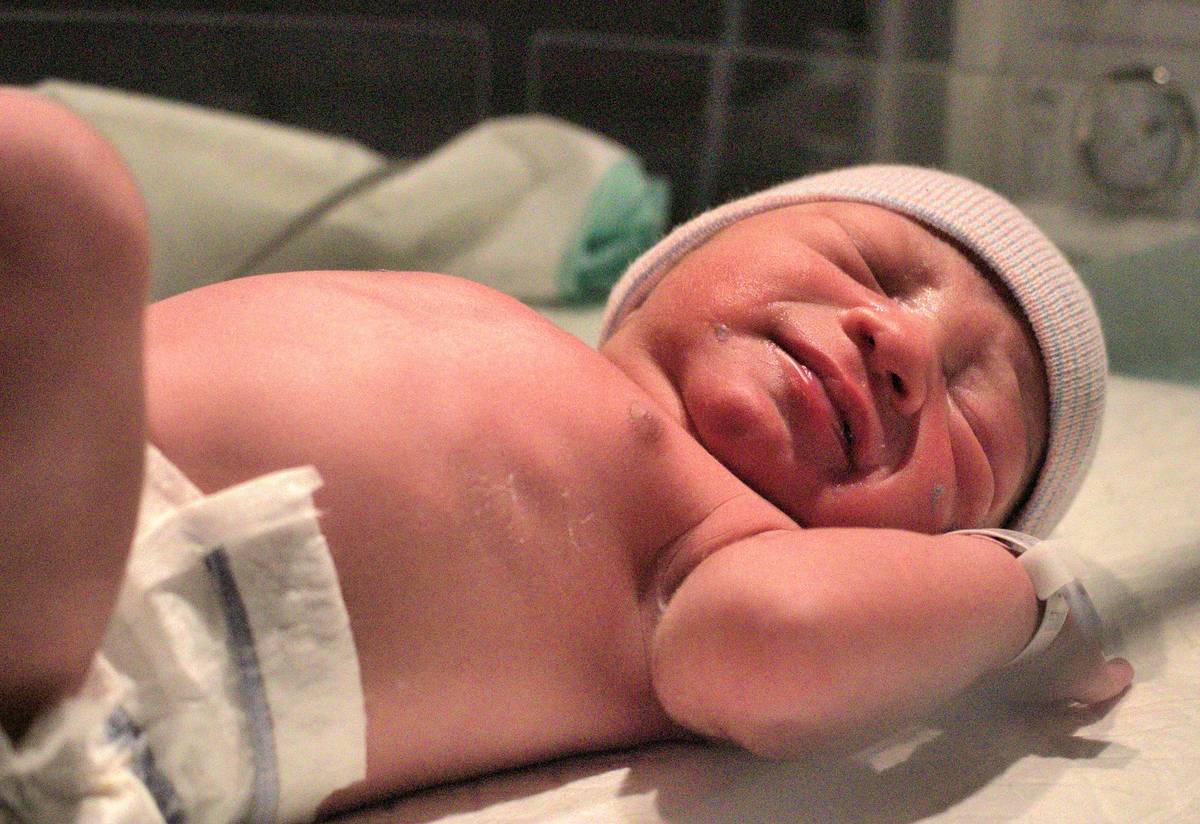
Anyone who has seen a baby born at 26 weeks on a neonatal ward asks one question above all: what will become of this child? One of the longest-running birth cohorts in the world now offers an answer, and it is largely reassuring.
The Bavarian Longitudinal Study followed 416 people born in Bavaria between January 1985 and March 1986 across nine assessment points up to the age of 34. Of them, 214 were born very preterm — before 32 weeks — or with a birth weight under 1,500 grams. The analysis, by a team led by the developmental psychologist Dieter Wolke at the University of Warwick together with colleagues in Leicester, at Monash University and at University Hospital Bonn, was published on 20 July in the journal JAMA Pediatrics.
Detailed interviews covering risk avoidance, economic circumstances and relationships with parents, partners and friends produced three patterns. Fifty-six percent of those born very preterm are doing well across every area measured, compared with 74 percent of those born at term. Twenty-six percent are managing reasonably well but struggle in romantic relationships and financially. Eighteen percent face lasting difficulties in work, money and social relationships — against 1.5 percent of the full-term group. That group also rates its life satisfaction markedly lower, notes first author Elif Gönen.
The decisive factor can be changed
More interesting than the distribution is what explains it. The team tested preterm birth itself, sex, self-control, parenting quality, primary-school friendships, family income, family climate and the parents' own relationship. Taken individually, several of these were linked to later outcomes. Taken together, a single robust and independent predictor remained: IQ at the age of eight. A 15-point difference in childhood IQ — roughly the average gap between children born very preterm and their full-term peers — was associated with a 79 percent lower likelihood of ending up in the low economic and social functioning group.
The point of that is not determinism but its opposite. Cognitive ability, as Wolke stresses, is not set in stone; it responds to the environment a child grows up in, and most strongly in the early years. Alongside preterm birth itself, he names the child's temperament and the parent-child relationship and parenting behaviour as the key levers.
In Germany, according to the federal association "Das frühgeborene Kind", around 50,000 children are born prematurely each year, about seven percent of a birth cohort; from the 25th week onwards, more than 80 percent now survive. That means a growing number of people are reaching adulthood who a generation ago would have had little chance of survival — and the question of what helps them becomes a public health task.
In practice that means involving parents early rather than taking everything off their hands. The Heidelberg neonatologist Christian Gille argues for giving parents more opportunity to feed and hold preterm babies themselves, so that bonding can grow. And later, in everyday life: reading aloud, looking at things together, and conversations that ask a little of the child.