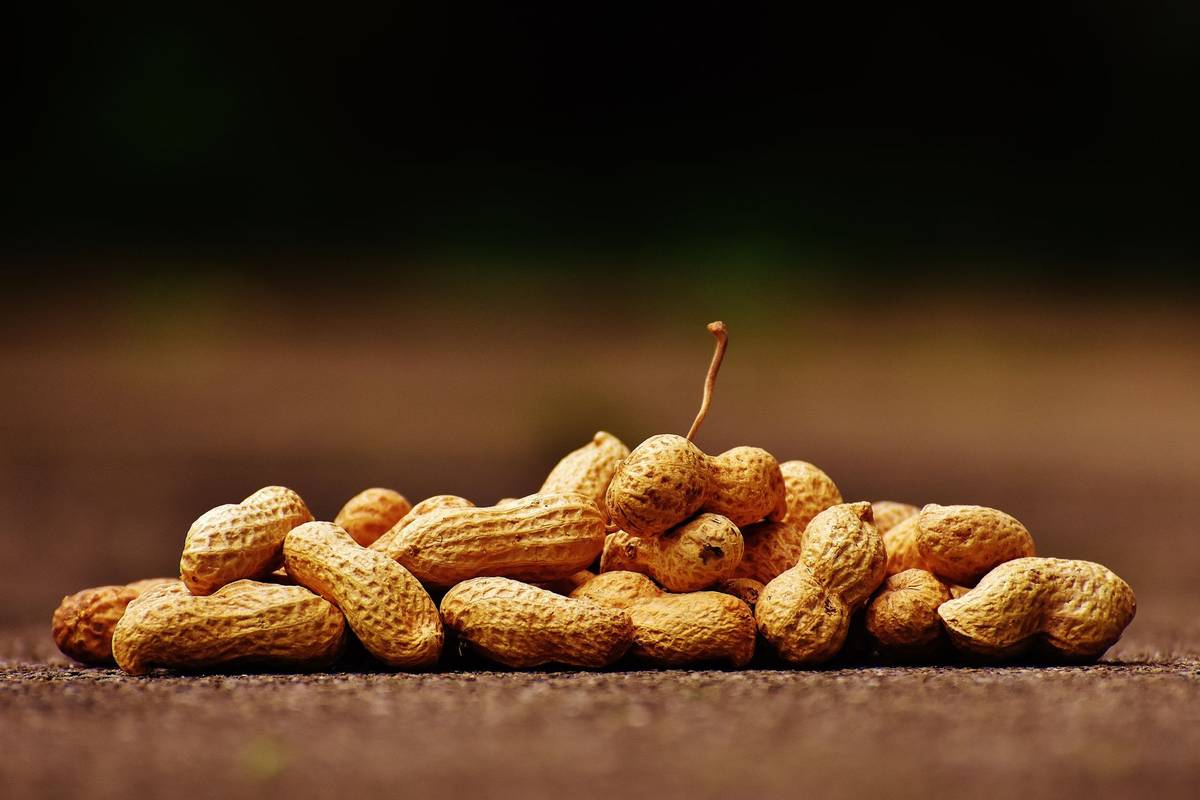
Six of 15 people with severe peanut allergy tolerated markedly more peanut protein after a single treatment. What they received was gut bacteria from healthy donors, packed into capsules. A team at Boston Children's Hospital presents the results in the journal "Science Translational Medicine".
For someone with a strong peanut allergy, traces can be enough to trigger anaphylactic shock. Antibody drugs and oral immunotherapy do raise the tolerance threshold. But they have to be kept up indefinitely, and the allergy returns once they stop. "Patients don't want therapies that have to be taken indefinitely and instead are looking for a permanent disease modification or cure," says Rima Rachid, who directs the hospital's food allergy programme.
The approach therefore targets the gut microbiome, which plays a central part in food allergy. Earlier work by the group around Rachid and Talal Chatila made the link plain. Stool from infants with food allergies sent allergy-prone mice into anaphylaxis. Stool from healthy infants protected them.
Thirty-six capsules in a day
For the pilot study, 15 adults swallowed 36 capsules over a few hours. They held frozen gut bacteria drawn from the purified stool of healthy donors without allergies. In blinded challenges beforehand, every participant had reacted to less than 100 milligrams of peanut protein, less than half a peanut.
Ten of them took the capsules with no preparation. Three of those tolerated several peanuts four months later. The remaining five first took a course of antibiotics to thin out their own gut flora and make room for the transferred bacteria. Three of them responded, managing more than four peanuts. In all, six participants tolerated at least 300 milligrams, and one more than 1,000 milligrams.
Handfuls of peanuts remain out of reach. The practical gain lies elsewhere: someone who tolerates 300 milligrams no longer has to fear an accidental trace in a meal.
In the blood of the responders, the researchers found raised levels of bile salts. These are made in the liver and reworked by gut bacteria. They may explain why the treatment works for some people and not others.
Fifteen people is a small number, and there was no placebo group. Rachid calls larger trials essential to confirm the findings and identify who is most likely to benefit. The real target is something else anyway: not the stool transfer itself, but the individual protective bacterial strains from which a precise probiotic could be built.