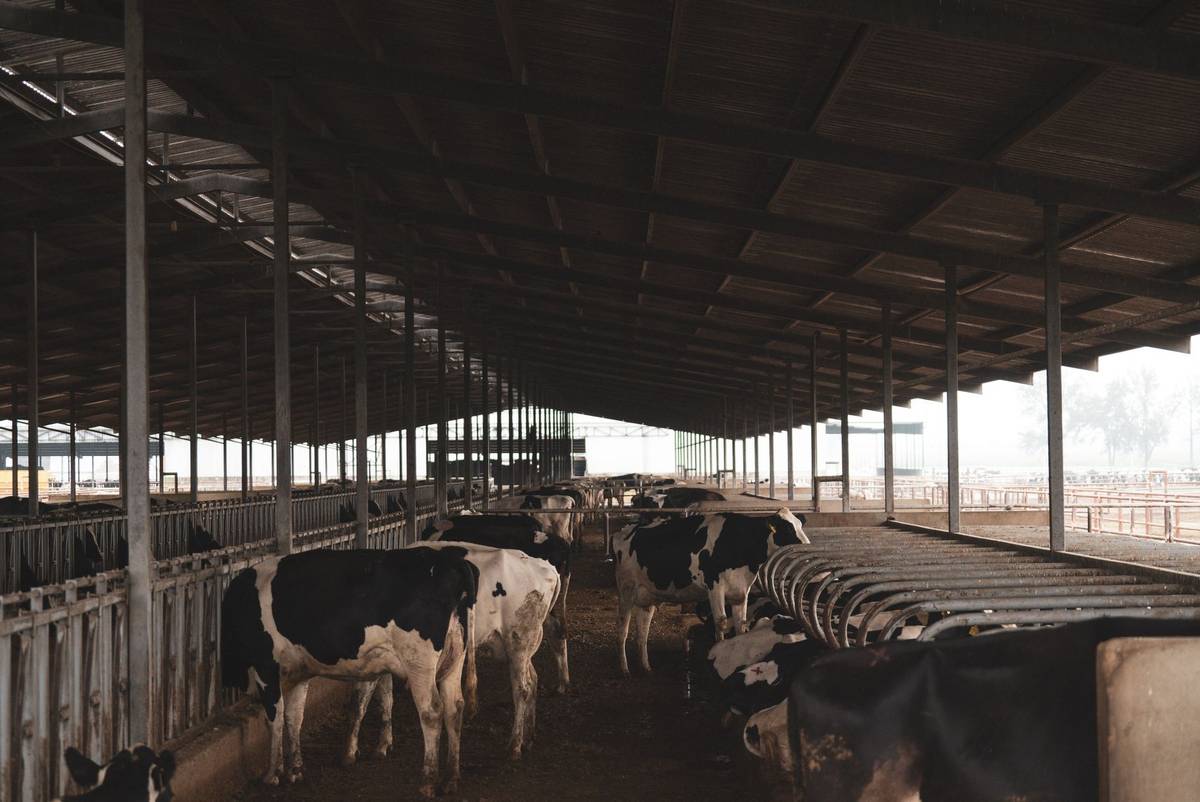
An international team has named nine bacterial species that appear to protect farm children from asthma and allergies. The work was led by Markus Ege of the Dr von Hauner Children's Hospital at the LMU Klinikum in Munich and of the Institute for Asthma and Allergy Prevention at Helmholtz Munich. The results appeared in the journal NEJM Evidence.
The so-called farm effect has been documented for decades. Children who grow up around cattle develop asthma, hay fever and atopic eczema less often. Which microorganisms trigger that protection remained unclear. The new study closes the gap.
The researchers assessed samples and health data from more than 1,000 children in European studies, Deutsche Welle reports. They collected nasal swabs and mattress dust. For 47 farm children, dust from cowsheds was added, the trade magazine top agrar writes. Data from France and Finland served as a check.
Nine gram-positive bacteria stood out. They come from the digestive tract of cows. Two species work particularly strongly: Romboutsia timonensis and Glutamicibacter arilaitensis. Together they mediate two-thirds of the protection against asthma and half of the protection against hay fever and atopic eczema, says first author Giulia Pagani, a bioinformatician at Helmholtz Munich.
From the cow's gut to a child's lungs
The team also describes the suspected chain of action for the first time. The bacteria produce substances such as kynurenine, xanthine, alpha-linolenic acid and stearidonic acid. These reach the air and the dust of the shed. Children breathe them in. Two receptors in the airways recognise the molecules, AhR and PPARγ. Inflammatory reactions then turn out weaker.
"With our new study we can provide much stronger evidence, because we can identify the individual links in the suspected causal chain," Ege says, quoted by top agrar. Earlier observational studies could only show associations.
The finding also reframes the old hygiene hypothesis. It emerged in 1989 and traces allergies to too little contact with germs. The Chilean allergist Arturo Borzutzky considers that simple form insufficient. In Latin American cities many people are exposed to numerous bacteria and still develop asthma, he wrote to Deutsche Welle. Specific microbial signals matter, not the sheer quantity of germs.
Ege himself warns against large expectations. Other risk factors weigh more heavily worldwide, among them air pollution, passive smoking, and material and psychological hardship. The effect also differs by region: poultry farming plays a bigger part in China, dairy farming in central Europe. Whether the same bacteria act everywhere is open. The children studied were already at primary school. Exactly when this immune imprinting happens still has to be established.