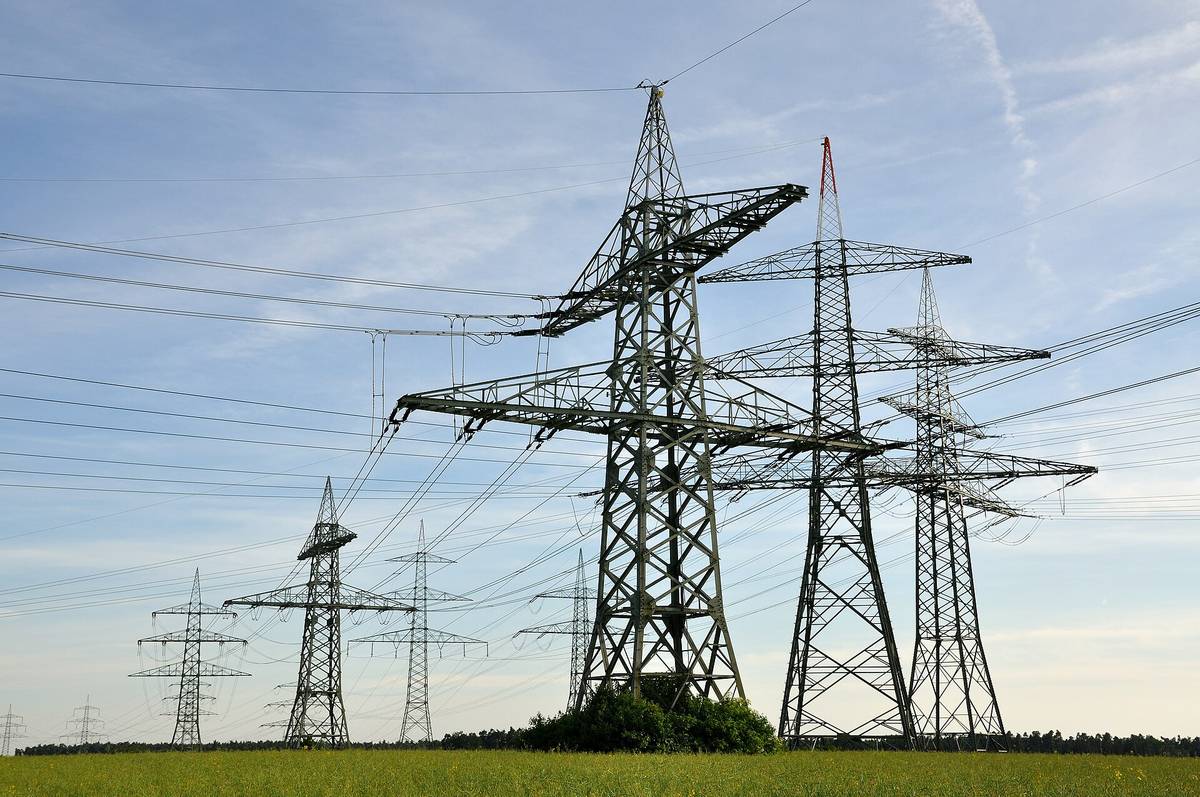
For Hamburg's electricity customers, 2026 brings some relief. The grid fees for electricity – the part of the bill charged for using the lines – are around 17 percent lower than in 2025, according to the city-owned operator Hamburger Energienetze. A federal subsidy is part of the reason. An average household saves about 8.40 euros a month as a result.
The picture is not entirely bright. Gas grid fees rose by 19 percent at the same time; gas customers pay on average around 5.90 euros more per month. The level of these fees is not set by open competition: the Federal Network Agency (Bundesnetzagentur) regulates operators such as Energienetze and determines what revenues they may earn.
Business was solid in the latest financial year. Turnover rose to nearly 1.5 billion euros, up around 12.8 percent on 2024 – partly because the Federal Network Agency permitted higher revenues. The municipal company transferred 130.4 million euros to the city; according to the trade service Energie & Management, that distribution was 21.5 percent higher than the year before.
Investment and hydrogen
A large share of the money flows back into the grid. Investments rose by about a third to roughly 580 million euros, spread across electricity, gas and hydrogen lines. South of the Elbe, the HH-WIN hydrogen industrial network is already taking shape: 15 kilometres are under construction, the first 40 kilometres are due to go into operation in 2027, and by 2031 the network is set to grow to around 60 kilometres.
The main driver of the pace is a referendum. In October 2025, Hamburg's residents voted to bring the target for CO2 neutrality forward from 2045 to 2040. For the company, its annual report says, that poses "considerable challenges". Michael Dammann, the managing board member responsible for grid operations, said the company is pulling its planning forward by five years and will need additional staff for construction projects.
At the same time, demand for connections is growing. Peter Wolffram, the board member responsible for customer business, reported inquiries from operators of battery storage, from data centres and from industry. Because capacity is limited, the operator is replacing the previous "first come, first served" approach – whoever applies first is served first – with a new allocation procedure. Meanwhile the city made progress on charging infrastructure: within a year, 1,440 public charging points were installed, a rise of 40 percent.
Hamburger Energienetze emerged in September 2024 from the city's electricity and gas grid operators and merged legally at the turn of the year in 2026. The municipal model has its roots in the 2013 referendum, with which residents brought the networks for electricity, gas and district heating back into public ownership.