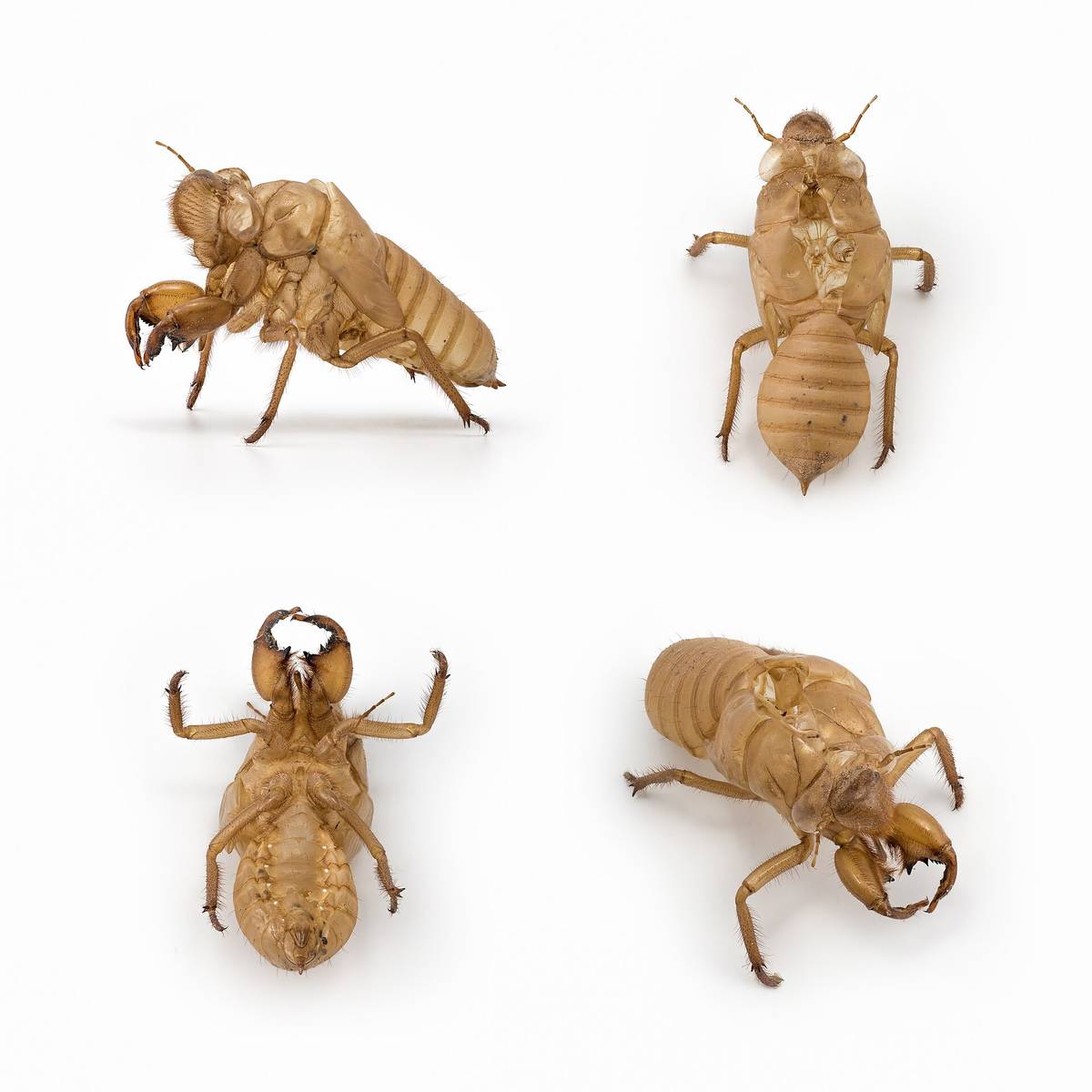
For the first time in a generation, England may be inching toward the return of a sound it has not heard since the 1990s: the shrill summer song of the New Forest cicada.
A small team from the Species Recovery Trust recently travelled to the Académie militaire de Saint-Cyr Coëtquidan, a 5,300-hectare army base in Brittany, to gather the raw material for that comeback. The site, about 200 miles from Hampshire, holds a mosaic of woodland and grassland — and, crucially, plenty of bracken — that closely mirrors the cicada's former English habitat.
Cicadetta montana is Britain's only native cicada. Reports from the 1960s describe hundreds of males singing across the New Forest, but numbers fell through the last century and the final confirmed record came in 1996. Conservationists believe shifts in how the land was managed helped drive it out; the insect still thrives across mainland Europe.
To find it, the team relied on their ears — or rather, on ultrasound detectors that pick up the males' high-pitched song. "We went creeping around the grounds of this military base ... so it did feel a bit James Bond," said volunteer Pete Hughes, who described handing in his ID at the gate and being interviewed by a Major before the search began. Working with France's Ligue pour la Protection des Oiseaux, the group located singing males and collected 20 bracken stems, each scarred where a female had laid eggs inside the plant.
A long wait underground
The cuttings were wrapped in damp cotton wool, covered again in foil and carried back across the Channel in a fridge. At Paultons Park zoo in Hampshire, manager Samuel Hunt built miniature vases to keep the stems alive while ensuring any hatching nymphs drop onto dry land rather than into water.
The approach builds on an earlier attempt. In 2023, Natural England funded the Trust to test reintroduction using European donor insects; the following year entomologist Kevin Gurcel gathered 11 females, and microscopy confirmed in January that some of their eggs had hatched.
Even success now buys only patience. Cicada nymphs feed on plant roots underground for four to 10 years before emerging as adults. Only then could the Trust release them at a carefully chosen secret site in the New Forest.
"We are ... able to look forward to a time when we can once again walk through the New Forest in summer and hear hundreds of cicadas singing their hearts out," said programmes manager Charlotte Carne.