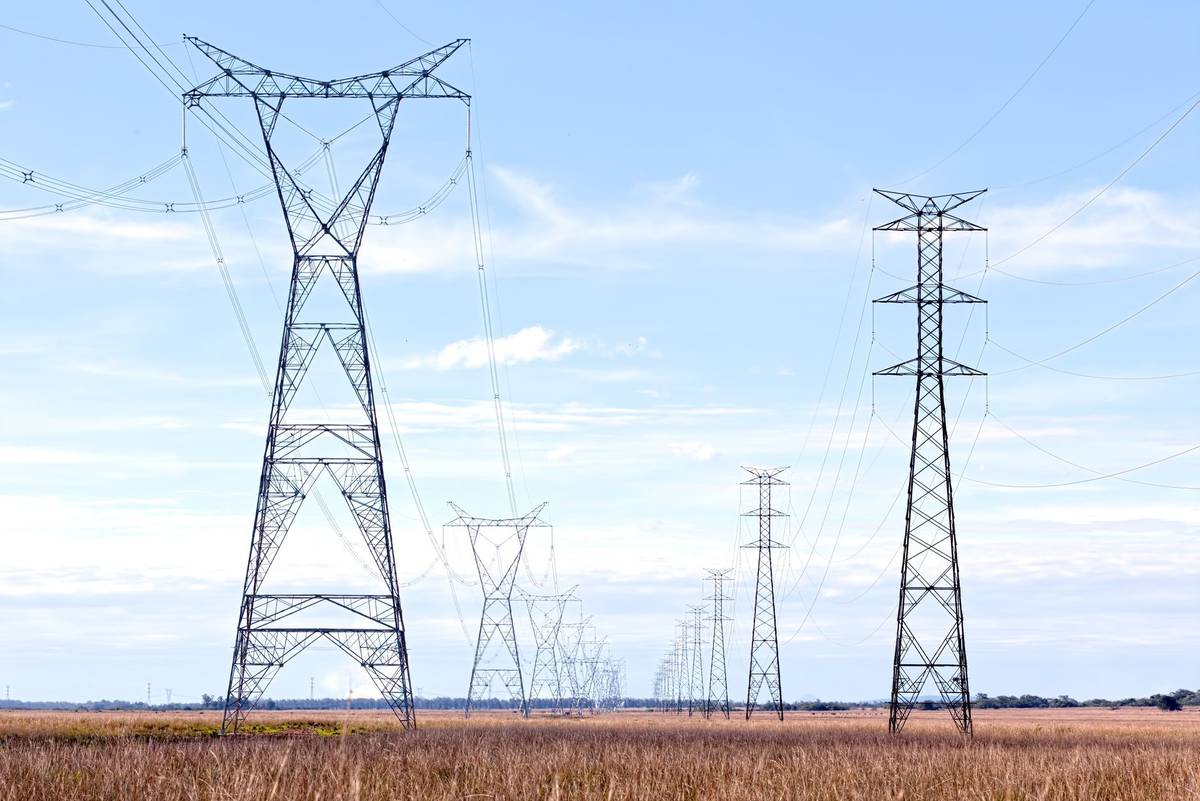
Households within 500 metres of new electricity pylons in Britain will have £250 a year taken off their energy bills. The government confirmed the discounts as it pushes ahead with more than 40 grid upgrade projects.
The money arrives as £125 twice a year, for ten years. A qualifying household can save up to £2,500 over that period, City AM reports, citing government figures.
Britain is rebuilding a transmission network that was largely constructed in the 1960s. Grid companies are expected to spend up to £77bn over five years, according to the Guardian. The new lines are meant to carry renewable electricity from offshore and remote sites into the cities.
Michael Shanks, the energy minister, called the programme "a moment of national renewal". Communities that host pylons should benefit from them, he said.
The regulator Ofgem will oversee the scheme. Neil Lawrence of Ofgem said eligible households would "see a direct benefit".
Who qualifies
The discount covers 43 transmission projects, most of them in Scotland, according to City AM. It applies to overhead pylons as well as substations and converter stations.
Homes near projects where construction started on or after 10 March 2025 are eligible. A government assessment expects 120,000 to 160,000 households to qualify between the launch of the scheme and 2044.
Most people will receive the money automatically through their electricity supplier. Households on commercial meters may have to apply. Suppliers or Ofgem will contact those affected in early 2027, and the first payments are due in the first half of that year.
The discounts answer a practical problem. Ministers ruled out burying the cables and pointed to research for the energy department. It found overhead pylons the most cost-effective option for bill-payers.
Not everyone accepts the trade. Richard Tice, business spokesman for Reform UK, called the scheme a "£20-a-month bribe". Homes near pylons would be "permanently devalued", he said.
The upgrades themselves are funded through household energy bills. The existing bottleneck also costs money: wind and solar farms are paid to switch off when local demand cannot absorb their output. Such payments are expected to total £3bn by 2030, the Guardian reports.