Central banks rarely make headlines with their collateral rules. But the Bank of England has quietly drawn a line under one of the dirtiest fuels on the planet – and climate campaigners are calling it a win.
From 31 October, bonds tied to thermal coal will no longer be accepted as collateral when commercial lenders borrow from the central bank. The Bank routinely issues short-term loans to banks such as Barclays, Lloyds, NatWest and HSBC to keep payments flowing, and those lenders must hand over bonds as a guarantee. Coal-linked debt will now be turned away at that door.
A signal to the market
The reasoning is as much financial as environmental. In its policy statement the Bank warned that thermal-coal companies "can be exposed to potential financial risks connected to the adjustment of the economy towards net zero" – in plain terms, that as the world shifts to cleaner energy, these bonds could lose their value and become a liability on the central bank's balance sheet. From the same date, the Bank will also apply extra "haircuts", or discounts, to corporate bonds from other sectors judged vulnerable to the transition.
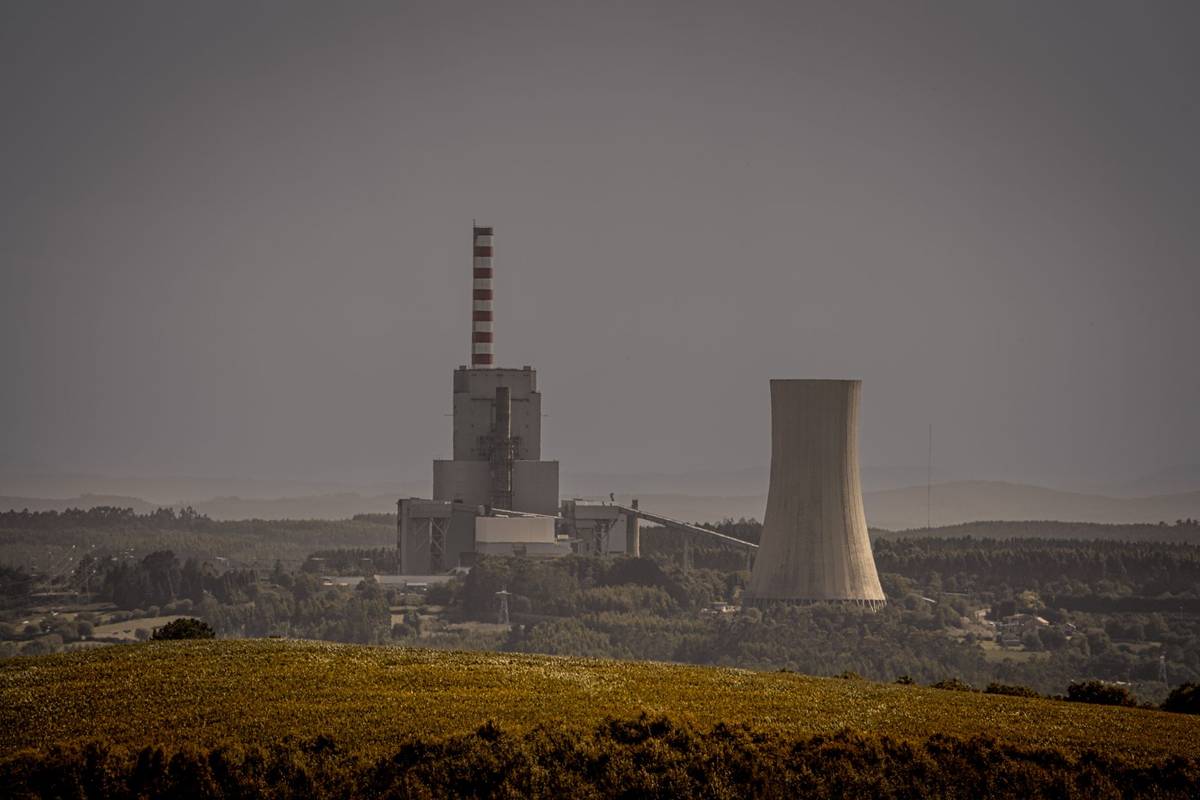
Thermal coal, burned in power stations to generate electricity, has long been a target for green campaigners. Ellie McLaughlin of the group Positive Money called the move "a strong signal from a central bank, and to the market as well." David Barmes of the London School of Economics said it showed the Bank "adopting a precautionary approach to climate risks."
The step does not, by itself, stop anyone from mining or burning coal. Its power is indirect: campaigners hope that once the country's monetary authority treats coal-linked assets as too risky to hold, commercial banks will think harder about keeping them on their own books. The Bank is not alone in that judgement – according to the non-profit Reclaim Finance, around 150 of the world's largest financial firms already restrict their dealings with the thermal-coal industry.
For a policy buried in the technical language of a June market notice, the message is unusually clear: the institution at the centre of Britain's financial system now regards coal as a risk it would rather not carry.