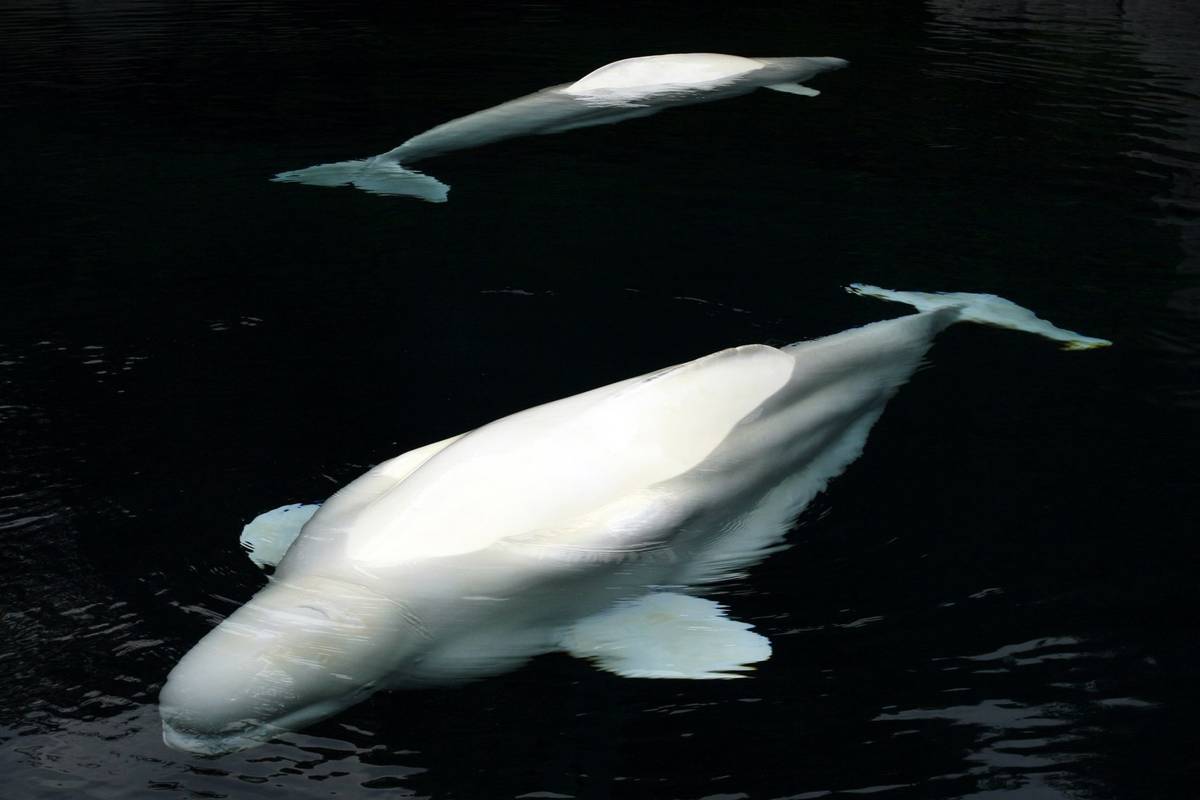
For two years, around 30 beluga whales have been living in a marine park that no longer opens its gates. Now they finally have somewhere to go.
The US National Oceanic and Atmospheric Administration (NOAA) has authorized an emergency rescue of the belugas stranded at Marineland of Canada in Niagara Falls, Ontario. The park, once one of the country's largest marine attractions, stopped operating in 2024 and, officials say, can no longer provide for the animals' long-term care. The approval clears the way for a coordinated, cross-border operation that has been years in the making.
The plan draws on facilities accredited by the Association of Zoos and Aquariums. SeaWorld San Antonio, SeaWorld San Diego, Shedd Aquarium in Chicago, the Georgia Aquarium and Oceanogràfic in Valencia, Spain, are all set to take in whales, while Mystic Aquarium in Connecticut is providing logistical support without receiving any animals. The Spanish facility still awaits the necessary permits from its own government.
A careful, weeks-long move
Nobody is rushing the belugas onto trucks. Animal-care teams will first travel to Canada to assess each whale's health and prepare it for the journey. Only once Canadian veterinarians judge an individual fit to travel will staff accompany it to its new home, where it can expect a managed diet, monitored water quality and round-the-clock veterinary care. Officials expect the full transfer to take several weeks, and say the details — including how many whales end up at each site — could still shift as the operation unfolds.
Belugas are Arctic animals, instantly recognizable by their white coloring and rounded foreheads. They are among the most vocal and social of whales, able to learn intricate sounds and behaviors — qualities that make prolonged confinement in an unviable facility especially fraught.
Why it matters: the rescue does not resolve the wider debate over keeping cetaceans in captivity. But for animals that have spent two years in limbo, it replaces uncertainty with a concrete path to stable care — and shows two governments and rival aquariums setting competition aside for a shared goal of animal welfare.