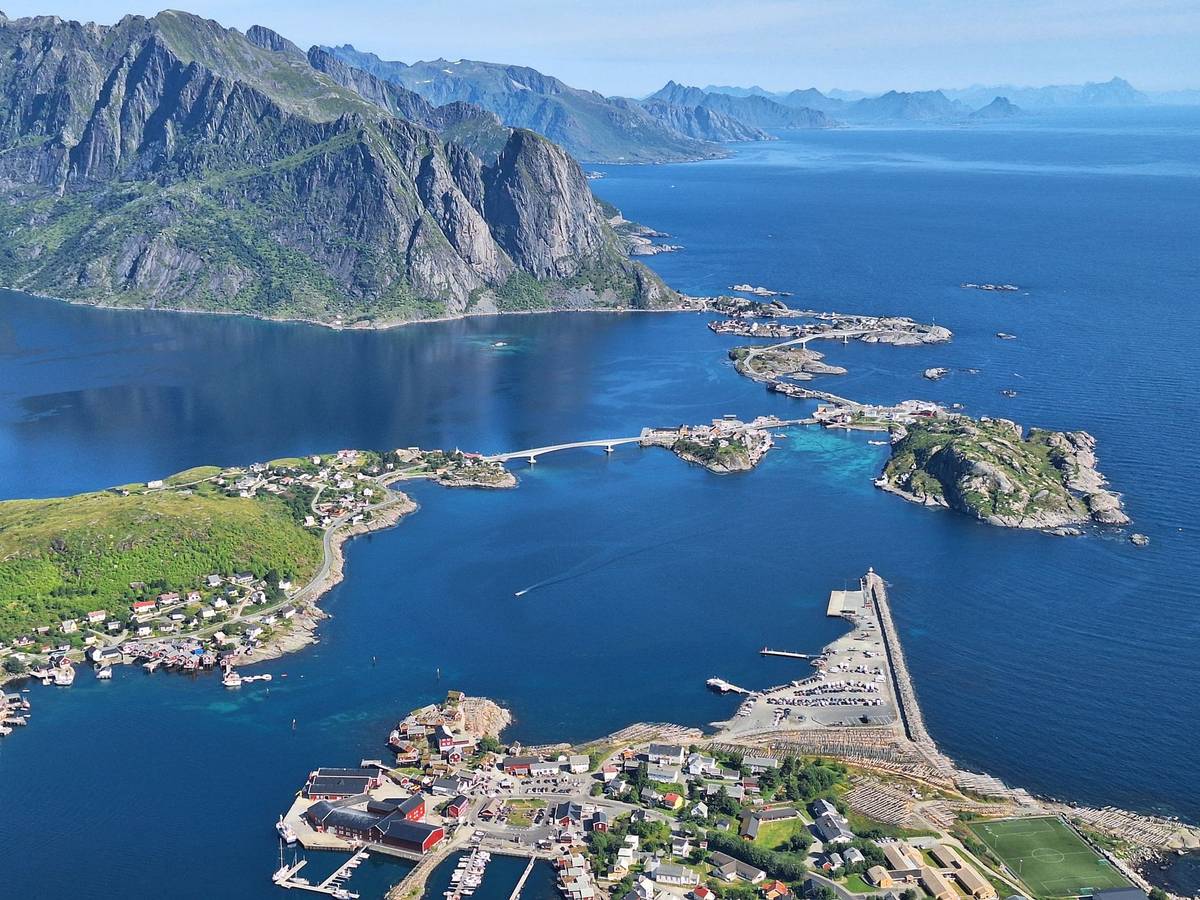
After years of debate, Norway's parliament has decided to give municipalities burdened by tourism a revenue source of their own. From the summer of 2026 they may levy a "visitor contribution" of up to three percent on overnight stays in hotels, guesthouses and holiday rentals, as well as on cruise passengers. Four municipalities in the Lofoten Islands — Vågan, Flakstad, Moskenes and Vestvågøy — are among the first pilot regions.
The rule does not apply automatically nationwide. Each municipality must apply for the levy and demonstrate that paths, roads, toilets and waste disposal are genuinely straining under the influx. The revenue is strictly earmarked: it may not flow into the general budget, only into tourism infrastructure such as hiking trails, sanitary facilities, signage and parking. Anyone travelling in their own camper van, tent or boat is exempt.
The pressure is considerable. In 2024 Norway counted more than 38 million guest nights, and in some places the number of cruise passengers arriving in a single day exceeds that of residents. In the Lofoten Islands farmers have complained for years about camper vans parking in fields and destroying feed for their animals; hikers' cars block narrow roads and at times hinder emergency vehicles.
A victory for the regions
"This is a great victory for Lofoten," Vidar Thom Benjaminsen, mayor of Vågan, told broadcaster NRK. Together with five other mayors he had travelled to Oslo to campaign for the levy. In northern Tromsø, a hub of northern-lights tourism, the money is welcomed too: it is meant to improve services for visitors and locals alike.
Whether three percent is enough to steer the crowds noticeably is disputed among experts — some consider the fee too low to change visitors' behaviour. The idea behind it is not in doubt: those who enjoy the landscape should bear part of the cost of protecting it. For regions like the Lofoten Islands it is the first tangible lever to curb unchecked growth without shutting visitors out.